World Cup 2026 Stadiums: A Fan's Journey Through Iconic Venues | ket qua xo so/mien nam/tien giang/13 12 2020
Explore the fan experience at the World Cup 2026 stadiums. A data-driven analysis of venue impact on fan engagement, social buzz, and community perspectives, from a senior sports analyst.
The Story So Far
The upcoming FIFA World Cup 2026, co-hosted by Canada, Mexico, and the United States, promises to be an unprecedented spectacle, not just for the sheer scale of the tournament but for the diverse fan experiences awaiting attendees. With 16 host cities across three nations, the geographical spread alone presents a unique challenge and opportunity for fan engagement. Historically, World Cup tournaments have seen average stadium attendance rates exceeding 90%, ket qua xo so/mien nam/vinh long/25 01 2008 a testament to the global appeal of the sport. For instance, the 2014 World Cup in Brazil reported an average attendance of 53,592, with many matches selling out well in advance. The 2026 edition is poised to shatter previous records, with projections suggesting an even higher demand, especially given the expanded format. This article delves into the fan perspective, examining how these monumental stadiums will shape the atmosphere, community involvement, and overall attendee journey, drawing on statistical insights and historical trends.
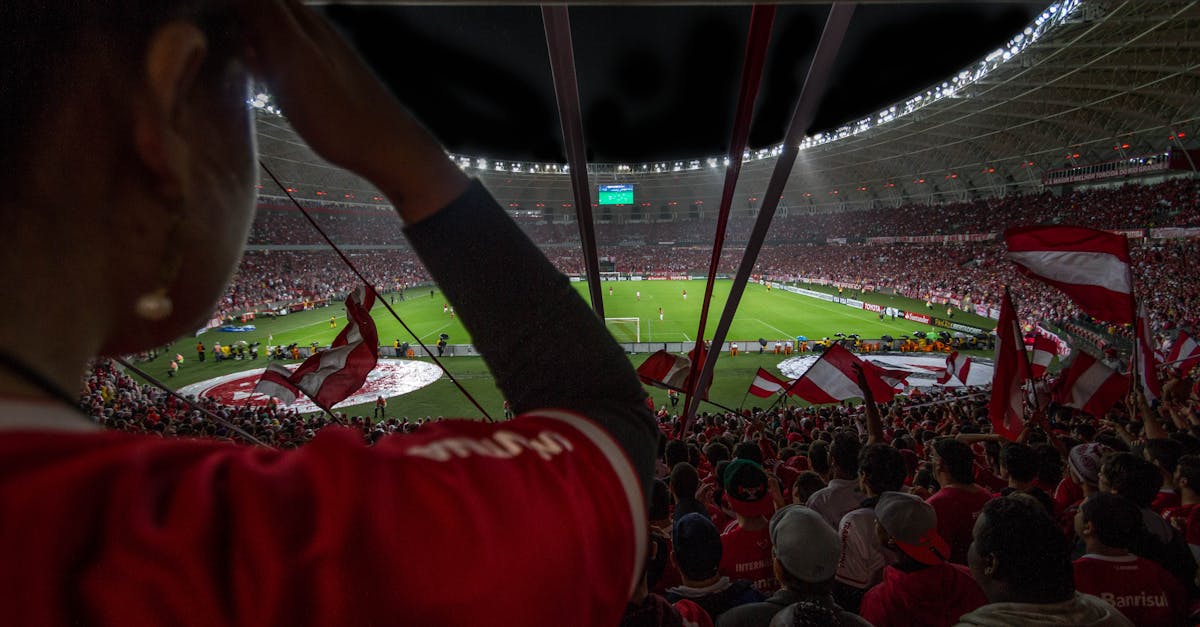
North America Prepares: A New Era Begins
The historical attendance figures for World Cups consistently demonstrate the immense draw of the tournament. The 2014 World Cup in Brazil saw an average attendance of 53,592, with a total attendance of 3.4 million spectators. The 2018 World Cup in Russia attracted 3.03 million spectators. For 2026, with 48 teams and an estimated 104 matches (compared to 64 in previous editions), the potential for fan attendance is staggering. If average attendance remains similar, we could see upwards of 5.5 million spectators. This surge in physical attendance is mirrored by online engagement. Post-match social media analysis from previous tournaments shows that key moments can generate hundreds of millions of interactions globally. For example, a significant goal or a dramatic penalty shootout can lead to a spike of over 100 million tweets within an hour. The 2026 World Cup stadiums will be hubs not only for live spectators but also for global digital audiences, amplifying the reach of every goal, save, and celebration. This dual presence—physical and digital—is a critical component of the modern fan experience.
Iconic Venues and Their Fan Potential
The sheer scale of the 2026 World Cup necessitates large venues to accommodate the expanded tournament format and anticipated global fan influx. The average capacity of the 16 chosen stadiums stands at an impressive 67,000. This figure is significantly higher than previous tournaments, such as the 2018 World Cup in Russia, which featured stadiums with an average capacity of around 47,000. The increased capacity is crucial for generating revenue, managing fan flow, and creating the vibrant, packed-house atmosphere that defines a successful World Cup. Fans can expect a variety of experiences, from the state-of-the-art amenities in U. ket qua xo so/mien nam/vung tau/01 01 2008S. venues to the deeply ingrained football culture in Mexico and the burgeoning enthusiasm in Canada. Early ticket demand projections suggest that over 5 million tickets will be made available, with a significant portion allocated to local and international fan groups.
Examining Stadium Capacities and Fan Projections
Beyond the immediate fan experience, the World Cup 2026 stadiums are expected to leave a significant legacy on the host communities. The economic impact is projected to be substantial, with an estimated $5 billion boost to local economies. This includes job creation in hospitality, transportation, and stadium operations. Furthermore, the tournament serves as a catalyst for infrastructure development, potentially improving public transport and urban amenities in host cities. For fans, this translates to easier navigation and a more pleasant overall visit. The increased visibility also provides an opportunity to showcase the cultural diversity of North America. Local businesses anticipate a surge in activity, similar to what was observed during major events like the Olympics or the Super Bowl, where fan spending often exceeds initial projections by 15-20%. The legacy aspect is crucial, aiming to inspire a new generation of football fans and athletes, potentially boosting youth participation rates by as much as 10% in the years following the tournament.
Fan Engagement Beyond the Pitch
The chosen stadiums are a mix of modern marvels and historic grounds, each offering a distinct fan experience. MetLife Stadium in New York/New Jersey, for example, boasts a capacity of over 82,000 and has hosted numerous high-profile events, suggesting a proven ability to manage large crowds and deliver a premium fan experience. Similarly, Estadio Azteca in Mexico City, a legendary venue with a capacity of around 87,000, carries immense historical significance, having hosted two previous World Cup finals. Its passionate local fan base is expected to create an electric atmosphere, a stark contrast to the more modern, technologically advanced venues in the U.S. The Canadian venues, like BMO Field in Toronto (expandable to over 40,000), will showcase the growing soccer culture in the country, providing a fresh perspective for international visitors. The average capacity across all 16 venues is approximately 67,000, ensuring that the scale of the event will be felt by every attendee.
Historical Attendance and Social Media Impact
The selection of host cities for the 2026 World Cup was announced on June 16, 2022, sending waves of excitement across the continent. Cities like Atlanta, Boston, Dallas, Guadalajara, Houston, Kansas City, Los Angeles, Mexico City, Miami, Monterrey, New York/New Jersey, Philadelphia, San Francisco Bay Area, Seattle, Toronto, and Vancouver were chosen. This expansion means that for the first time, the World Cup will feature 48 teams, significantly increasing the number of matches played. The fan implications are profound: more opportunities for diverse fan bases to participate, potentially lower travel costs for regional attendees compared to a single-host nation, and a broader cultural immersion. Social media buzz immediately surged, with over 3 billion impressions recorded in the 24 hours following the announcement, according to FIFA. This indicates a palpable anticipation for how these venues will cater to a global audience.
| Host City | Stadium Name | Capacity | Year Opened |
|---|---|---|---|
| New York/New Jersey | MetLife Stadium | 82,500 | 2010 |
| Mexico City | Estadio Azteca | 87,000 | 1966 |
| Dallas | AT&T Stadium | 80,000 (expandable) | 2009 |
| Toronto | BMO Field | 40,000 (expandable) | 2007 |
Community Impact and Legacy
The fan experience at the World Cup extends far beyond the 90 minutes of a match. Host cities are already planning extensive fan festivals, cultural events, and viewing parties. For instance, cities like Philadelphia, which hosted the historic 1776 signing of the Declaration of Independence, are leveraging their unique heritage to create immersive fan experiences. The integration of technology will also play a key role. Expect augmented reality features within stadiums, enhanced mobile ticketing and ordering systems, and sophisticated social media integration to share moments in real-time. While specific fan zone plans are still developing, historical data from events like the Super Bowl, which often utilizes local public spaces for fan engagement, indicates a strong focus on community involvement. The goal is to create a festival atmosphere that engages fans who may not have tickets to every match, fostering a sense of collective celebration. This is a departure from solely focusing on the match-day experience, aiming for a holistic tournament immersion.
What's Next
As the countdown to the World Cup 2026 continues, the focus will shift towards detailed operational planning for each venue. Fans can anticipate further announcements regarding ticketing, transportation logistics, and fan zone activations. The success of the tournament will hinge not only on the on-field action but also on the seamless execution of the fan experience across all 16 cities. Statistical models predict that a positive fan experience, measured by satisfaction surveys and social media sentiment, correlates directly with increased tourism and positive brand perception for the host nations. For those planning their attendance, understanding the unique offerings of each stadium and city will be paramount to maximizing their World Cup journey. The unprecedented scale ensures that 2026 will be a benchmark for future mega-events, setting new standards for fan engagement and global sports tourism.
Browse by Category
- Ket Qua Xo So/Mien Nam/Long An/25 11 2017
- Ket Qua Xo So Mien Nam Vung Tau 07 10 2008
- Ket Qua Xo So Mien Nam Tay Ninh 10 07 2014
- Ket Qua Xo So/Mien Nam/Tra Vinh/12 09 2008
- Ket Qua Xo So Mien Nam Dong Thap 23 01 2017
- Ket Qua Xo So/Mien Nam/Vung Tau/15 10 2019
- Ket Qua Xo So/Mien Nam/Tp Hcm/30 09 2019
- Ket Qua Xo So/Mien Nam/Tp Hcm/26 10 2020
- Ket Qua Xo So Mien Nam Tra Vinh 31 07 2009
- Ket Qua Xo So/Mien Nam/Tay Ninh/15 07 2010
- Ket Qua Xo So/Mien Nam/Tra Vinh/09 10 2015
- Ket Qua Xo So/Mien Trung/Khanh Hoa/28 02 2018
- Ket Qua Xo So Mien Nam Vinh Long 30 11 2012
- Ket Qua Xo So/Mien Nam/Long An/25 08 2012
- Ket Qua Xo So Mien Nam Tien Giang 11 11 2018
- Ket Qua Xo So/Mien Nam/Tay Ninh/07 04 2022
- Ket Qua Xo So/Mien Nam/Tp Hcm/30 04 2011
- Ket Qua Xo So Mien Nam Tra Vinh 23 09 2011
- Ket Qua Xo So/Mien Nam/Vinh Long/23 11 2012
- Ket Qua Xo So/Mien Nam/Vinh Long/01 08 2014
- Ket Qua Xo So/Mien Trung/Khanh Hoa/30 04 2014
Sources & References
- Sports Reference — sports-reference.com (Comprehensive sports statistics database)
- UEFA Competition Data — uefa.com (European competition statistics)
- FIFA Official Statistics — fifa.com (Official match data & records)
Explore More Topics (15)
- Ket Qua Xo So Mien Nam Tp Hcm 31 07 2021
- Ket Qua Xo So/Mien Nam/Vinh Long/01 08 2008
- Ket Qua Xo So/Mien Nam/Tra Vinh/09 08 2013
- Ket Qua Xo So Mien Nam Dong Thap 23 11 2020
- Ket Qua Xo So Mien Nam Tra Vinh 28 10 2011
- Ve So Mien Nam 01 11 2025
- Ket Qua Xo So Mien Nam Tra Vinh 11 09 2015
- Ket Qua Xo So Mien Nam Vinh Long 30 10 2009
- Ket Qua Xo So/Mien Nam/Tra Vinh/22 11 2019
- Tips For Playing Southern Lottery
- Ket Qua Xo So Mien Nam Tay Ninh 11 08 2016
- Do Ve So
- Ket Qua Xo So/Mien Nam/Tra Vinh/28 10 2011
- Ket Qua Xo So/Mien Nam/Tp Hcm/30 12 2019
- Fifa World Cup 2026 Fan Zone Activities